Reflection on ASCI A3 2026
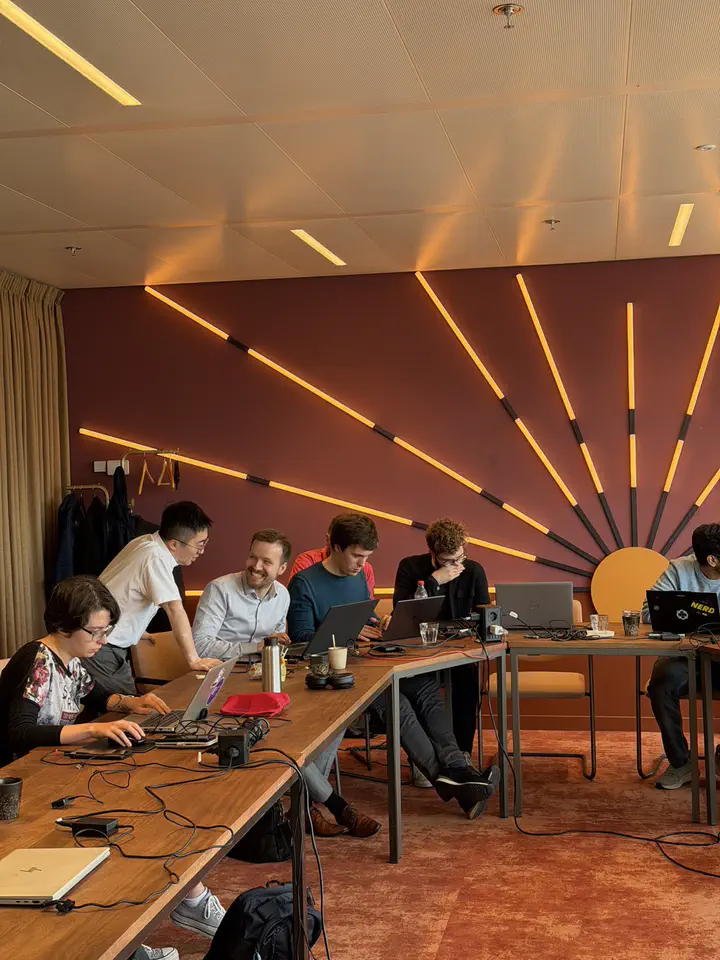
Last week, we ran the ASCI A3 course “Design and Implementation of Real-Time Systems”. It was a very enjoyable week with PhD students from different areas of computer science, including real-time systems, GPU computing, cloud and distributed systems, and resource management.
The course mixed lectures with hands-on exercises. We discussed timing analysis, scheduling, multicore platforms, resource sharing, Linux-based real-time systems, ROS2, Kubernetes, reaction latency, data age, and model-based engineering. A large part of the course was built around small autonomous vehicles, which gave everyone a concrete way to experience timing effects, sensor delays, communication issues, and scheduling decisions.
What I especially liked was that the students connected the course material to their own research topics. Some related the discussions to GPU scheduling and energy-efficient computing, while others connected them to Kubernetes, cloud-native workloads, deployment latency, jitter, and resource management. This is, for me, one of the nicest parts of such a course: real-time systems ideas often become useful outside the “classical” real-time setting.
The final day included industry talks from TNO-ESI and ASML, showing how modeling, timing analysis, and critical-path reasoning appear in real high-tech systems. This nicely completed the week and helped connect the course topics to industrial practice.
Many thanks to all participants for the active discussions, the hands-on work, and the nice atmosphere throughout the week.